What does motor insurance cover?
A comprehensive motor insurance policy typically covers the following:
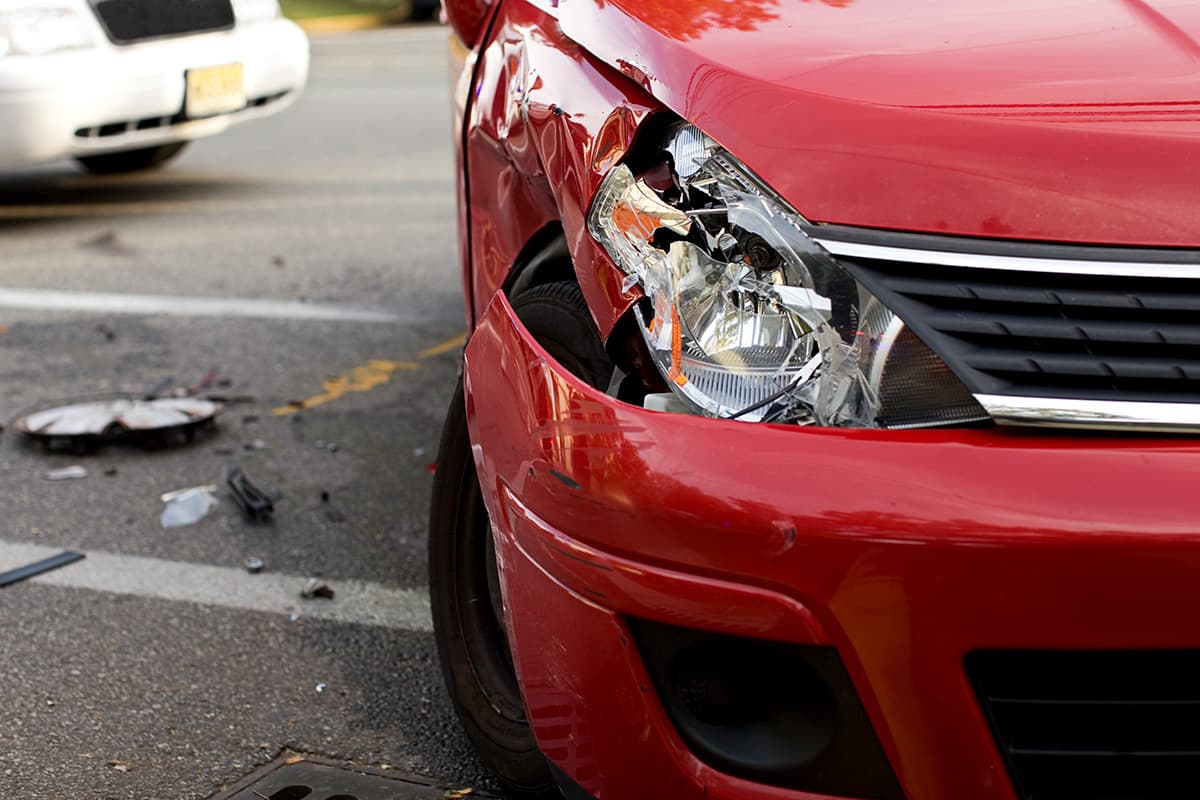
- Damage to your own vehicle. Motor insurance protects your vehicle from damage caused by a collision or incidents such as a fire or if your car has been stolen.
- Damage to other vehicles. Motor insurance will cover damage caused to other vehicles.
- Injury to yourself. Motor insurance will cover the medical expenses incurred for any injuries at the result of an accident.
- Injuries to third parties. Motor insurance covers the costs of injuries or damage caused to others' property, as well as any related expenses.
- Legal costs. Victims of accidents may sue you for damages or injuries. Policies will cover any legal fees and expenses incurred.
What does motor insurance not cover?
Standard motor insurance will not usually cover:
- Driving by unauthorised drivers i.e. those not included on the policy
- Use of insured vehicle outside that permitted by the policy i.e. for business use without business cover
- Use of a vehicle in an unroadworthy condition
- Wear and tear
- Mechanical and electrical failure or breakdown
Understand the rising cost of motor insurance
Having listened to questions from insurance customers we answer the most common queries
Types of motor insurance

Resources
Discover our guides, reports, free-to-use tools and download our data release schedule
FAQs
I have lost all my details with regards my car insurance. How do I found out who my car is insured with?
Firstly, do a thorough search of your records to find out who you paid the premium to. Start by looking at your bank statement or credit card statement.
Also, as long as your car is insured, it will be listed in the Motor Insurance Database - the central record of all insured vehicles in the UK managed by the Motor Insurance Bureau (MIB) and used by the Police and Driver and Vehicle Licensing Agency (DVLA).
Why install a dash cam?
Dash cam footage can help resolve a dispute quickly and prove that an accident was not your fault. The evidence may further help settle claims being settled faster, meaning less hassle for you. If the footage proves the other party was at fault, you may not have to pay your excess and the evidence could help protect your no claims discount (NCD). Some insurers even offer a discount on your premium if you install a dash cam.
As dash cams become more common, they may help deter insurance fraud and provide you with extra peace of mind in case of ‘crash for cash’ claims.
What is a written off or total loss vehicle?
Typically, a vehicle which is treated as a total loss (also known as a "write-off") is when the the cost to repair the vehicle is higher than the actual cash value of the vehicle. A vehicle may, however, become an ‘economic total loss’ because other costs associated with the repair push up the cost of repairing it, such as the costs of a courtesy car.
To accurately identify which cars should be broken for scrap (and not returned to the road) and to identify which cars are repairable and can return to the road, insurers use the industry-wide Salvage Code of Practice to categorise damaged vehicles into one of four categories.
All ABI members motor insurers support this code and adhere to its provisions. To further improve transparency, each insurer has nominated a member of staff to ensure compliance with the provisions of the Code. Read the list of supporting insurers.
- If you have third party fire and theft or comprehensive motor insurance your insurer should cover the cost of replacing your vehicle at its current market value.
- If you have guaranteed asset protection (GAP) insurance, your GAP policy will cover the difference between the original purchase price of your vehicle and its current market value.
Note that a stolen vehicle can be declared a write-off if it is recovered in a condition beyond repair and formally written off by your insurer. If your vehicle is stolen and not recovered, it cannot be declared a write-off. Your insurer will contact you to agree a valuation for your stolen vehicle and discuss the cost of a replacement.
How can I keep my vehicle safe from theft?
1. Understand your vehicle’s security features
Before purchasing a vehicle, ask your vehicle dealer about the security of your vehicle and read the vehicle manual. Most dealers will be able to provide you with information on the security features and advice on how to improve the vehicle’s security further.
2. Parking
Always try to park your vehicle in a secure and well-lit location, ideally with CCTV, such as in a private car park. If you have a garage or driveway, park your vehicle there. This should deter thieves from attempting to steal or break into your vehicle.1 You might also consider a garage door alarm, doorbell camera or other CCTV as it may provide an additional layer of deterrence.
3. Lock your vehicle
Never leave your vehicle unlocked, even if away for only a few minutes. Close all windows and turn off the engine when leaving it unattended. Always physically check that the vehicle is locked and, where possible, always apply the vehicle’s double locking system or fit a steering wheel lock.
4. Hide and mark your valuables
When leaving your vehicle unattended, for any length of time, make sure all valuables are either out of the vehicle or, if not possible to remove them, hidden from view (e.g. in the boot or a locked glove compartment). This can include sat navs, stereos, tools, handbags, laptops, and any personal documents such as the vehicle registration or insurance documents. It may also be worth marking your property with a marking solution that is only visible under Ultraviolet (UV) light and registering your valuables on a free online property database. This will help the police trace your valuables if they are ever stolen or lost.
5. Keep the keys safe
Always keep your keys in a secure place when not using the vehicle. Do not leave them in the ignition when leaving the vehicle unattended, as this could both present an easy target for thieves and invalidate your insurance cover. When storing them in your home, don’t leave them visible near external doors and windows, as thieves will sometimes break into homes to steal a vehicle’s keys.2 If your vehicle offers keyless entry or start functionality, store all keys as far away from the vehicle as possible or in signal-blocking pouches, such as specifically designed faraday pouches, and turn off the signal overnight, to prevent keyless entry theft. In circumstances, where mobile phones can be used as keys, you should take the same precautions as you would with a traditional key as outlined above.
6. Check the alarm
Alarms act as a strong deterrent to opportunistic thieves. Most new vehicles are fitted with alarms as standard. Regularly test the alarm to make sure it still works. If you own an older vehicle, consider fitting an alarm to further increase your vehicle’s security.
7. Consider installing an immobiliser
Immobilisers can add an additional layer of security to your vehicle. Mechanical immobilisers, such as steering wheel lock or gear clamp can both act as a visible deterrent to thieves and prevent thieves from driving the vehicle away. Built-in electrical immobilisers, which stops a vehicle from being started unless the correct digital key or token is present, will prevent thieves from driving your vehicle away. As with alarms, most new vehicles have an electrical immobiliser fitted as standard, so owners of older vehicles should consider having one installed.3 Even if your vehicle does have an electrical immobiliser, it is worth installing a mechanical immobiliser as well to provide an additional security layer.
8. Consider installing a tracking device
Installing a tracking device can help the police trace your vehicle if it has been stolen and aid in the recovery of the vehicle and its contents. There are a variety of tracking devices available on the market including standard GPS trackers and those with additional features like an engine-inhibit function or even more advanced very high frequency (VHF) trackers. Vehicles fitted with telematics devices often incorporate vehicle tracking as standard. However, it is important to make sure the subscription on the tracking device is maintained.
9. Ensure vulnerable parts are protected
Install the appropriate security measures to secure the vulnerable parts of your vehicle, such as locking wheel nuts or a catalytic converter lock. Speak to your vehicle dealer or insurer for advice on how best to secure your vehicle and its parts. You can also use a UV pen or etching to mark your vehicle’s vulnerable parts with the vehicle identification number (VIN) to deter thieves and make recovery easier. More information is available in the Theft of parts section.
10. Insurance
Insurance companies can provide advice on improving the security of your vehicle, including suggesting additional security modifications. Insurers can also provide immediate assistance if your vehicle is stolen or broken into, such as use of a hire car and compensation for loss of personal possessions if included in your policy. It is important that you talk to your insurer to make sure you have the correct cover to suit your needs and read any policy documents carefully to understand the level of cover and any insurer requirements regarding vehicle security. Make sure you keep a copy of insurance documents outside the vehicle in case the vehicle is stolen.
1 Park Mark: The Safer Parking Scheme is national standard for UK car parks, supported by the Home Office. The Park Mark Scheme assesses the management practices and security measures of car parks. Those that have appropriate measures such as CCTV in parking areas and staircases, good lighting, and good management practices, achieve the Park Mark standard. Car parks that do meet the standard display a prominent sign so they can be easily identified and can be found on the Park Mark website: http://www.parkmark.co.uk/.
2 Our Guide to Home Security provides advice on keeping your home secure from theft
3 Aftermarket security devices, such as immobilisers and trackers can vary in quality and effectiveness. It is important to choose a device that meets your security needs and you are confident will perform when needed. Thatcham Research rigorously tests all new devices and certify those that meet their standards. Find out more about ‘Thatcham Approved’ security devices.
What cover will I get as a named driver or drive someone else's car?
If you drive someone else’s vehicle you will not be covered by their (the main driver) motor insurance policy – you must become a named driver on their policy. As a named driver you will be given the same level of cover as the vehicle's main driver. These policies are only appropriate if the named driver is not the main driver (main user) or the owner of the vehicle.
Named drivers should be careful to avoid 'fronting', a form of insurance fraud.
‘Fronting’ is where a parent or older person pretends that they are the main user of a car when a younger person is actually driving it on a regular basis.
People sometimes do this to try to reduce the cost of premiums as main driver policies tend to be more expensive for young drivers than for older, more experienced motorists.
If an insurer discovers that a person is guilty of fronting, their policy could be declared invalid and they could be forced to pay any costs that arise as a result of an accident.
Fronting is illegal, and could lead to criminal convictions for those involved. People found guilty of fronting, or any other type of insurance fraud, will also find it more difficult to buy insurance in the future and their premiums will be more expensive.
Driving another persons car
In some cases your own motor insurance policy may cover you for driving another person's vehicle (providing they also have insurance). This is normally called Driving Other Cars or DOC cover.
But, with this, you may only have third party cover driving someone else's vehicle, even if you have third party fire and theft or comprehensive cover for your own vehicle.
Therefore, you should always check with your insurer what level of cover you have before driving another person’s car.